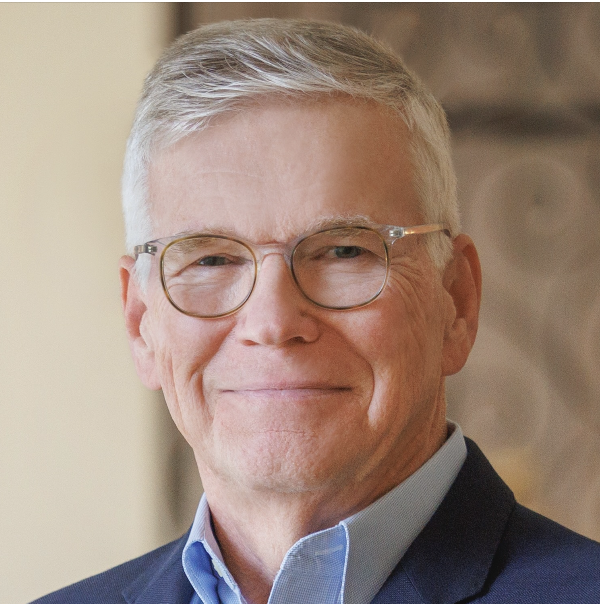
Are you an ostrich or an excavator?
How pharmacy leaders can stay informed as well as sane in the ever-changing world of AI
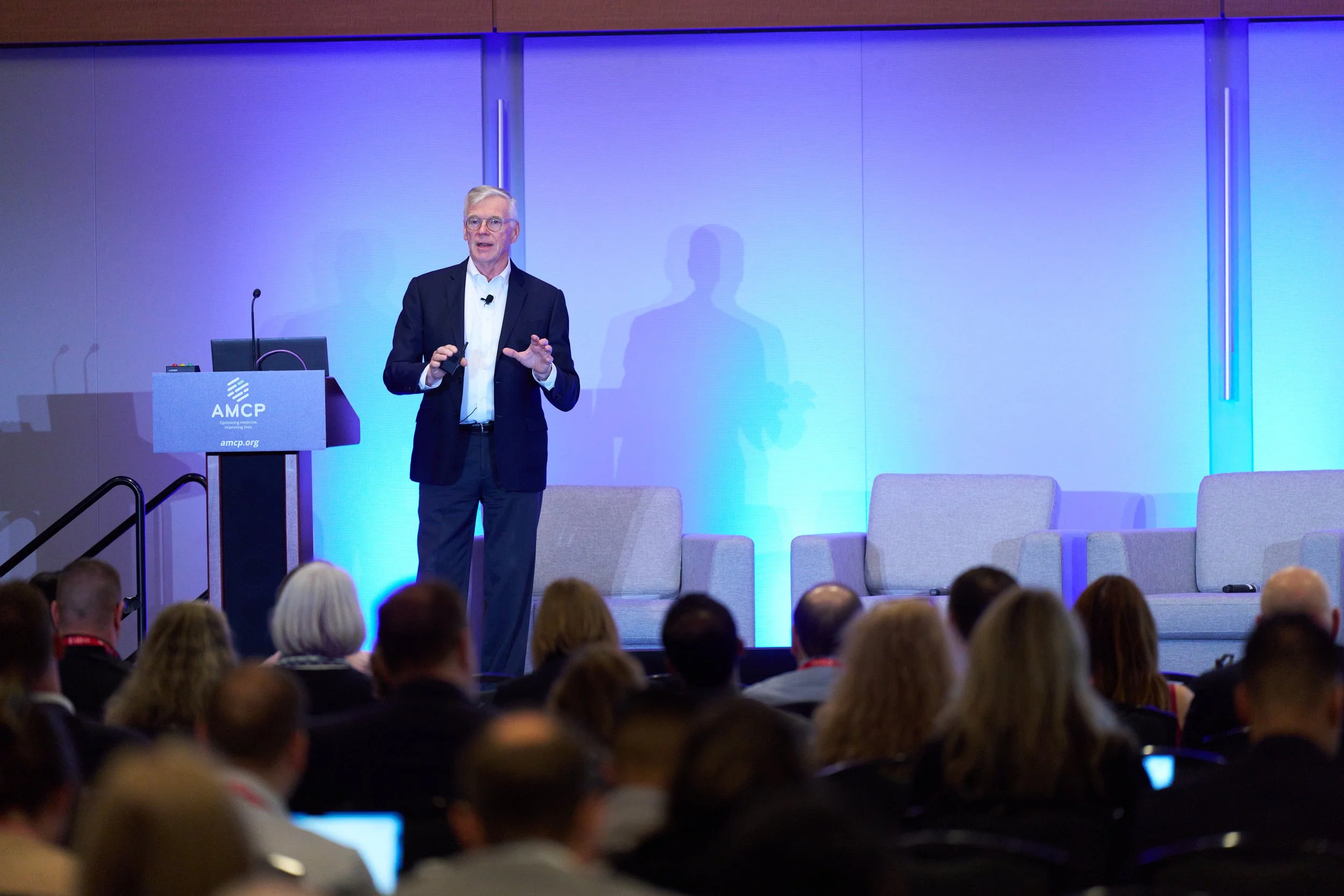
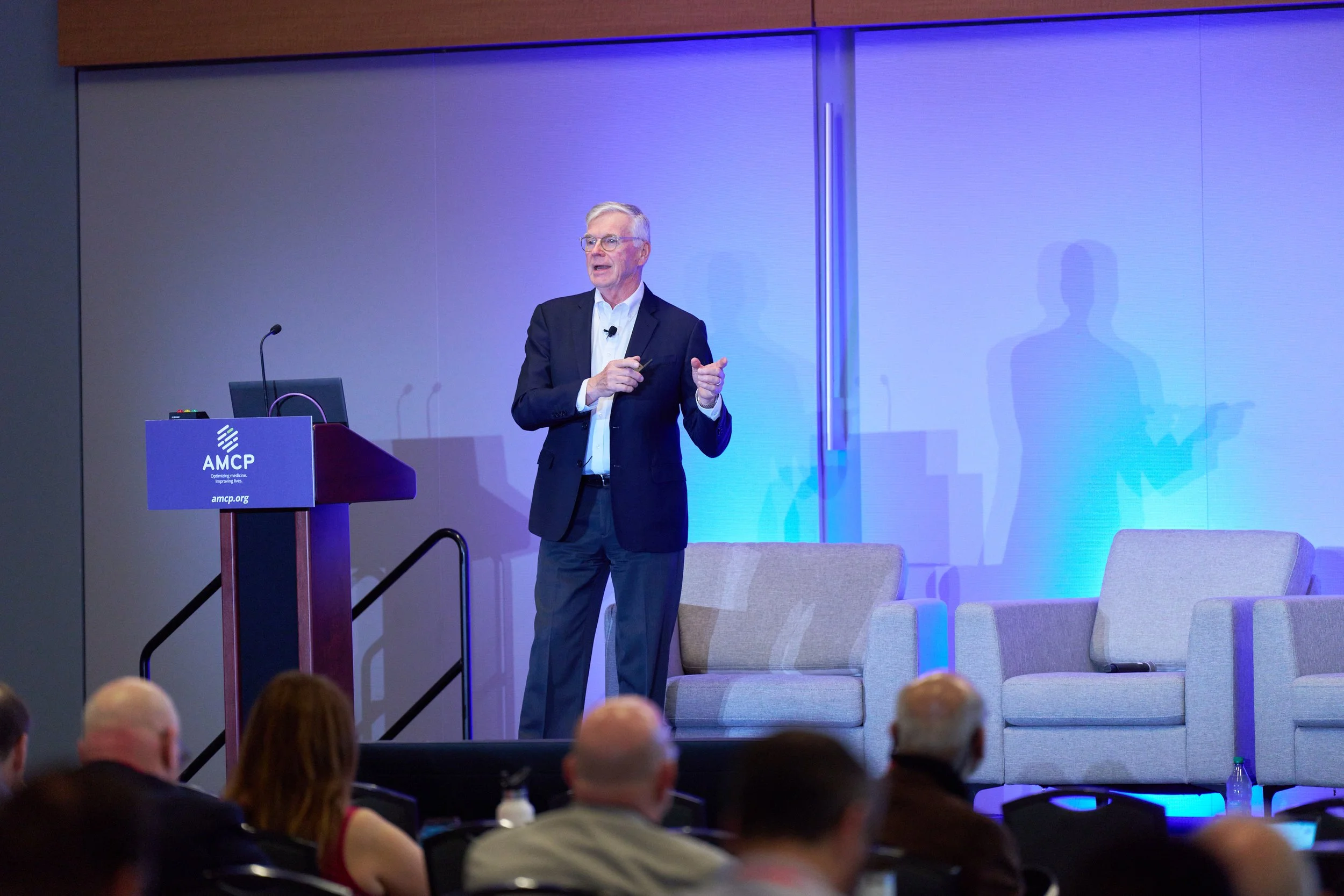
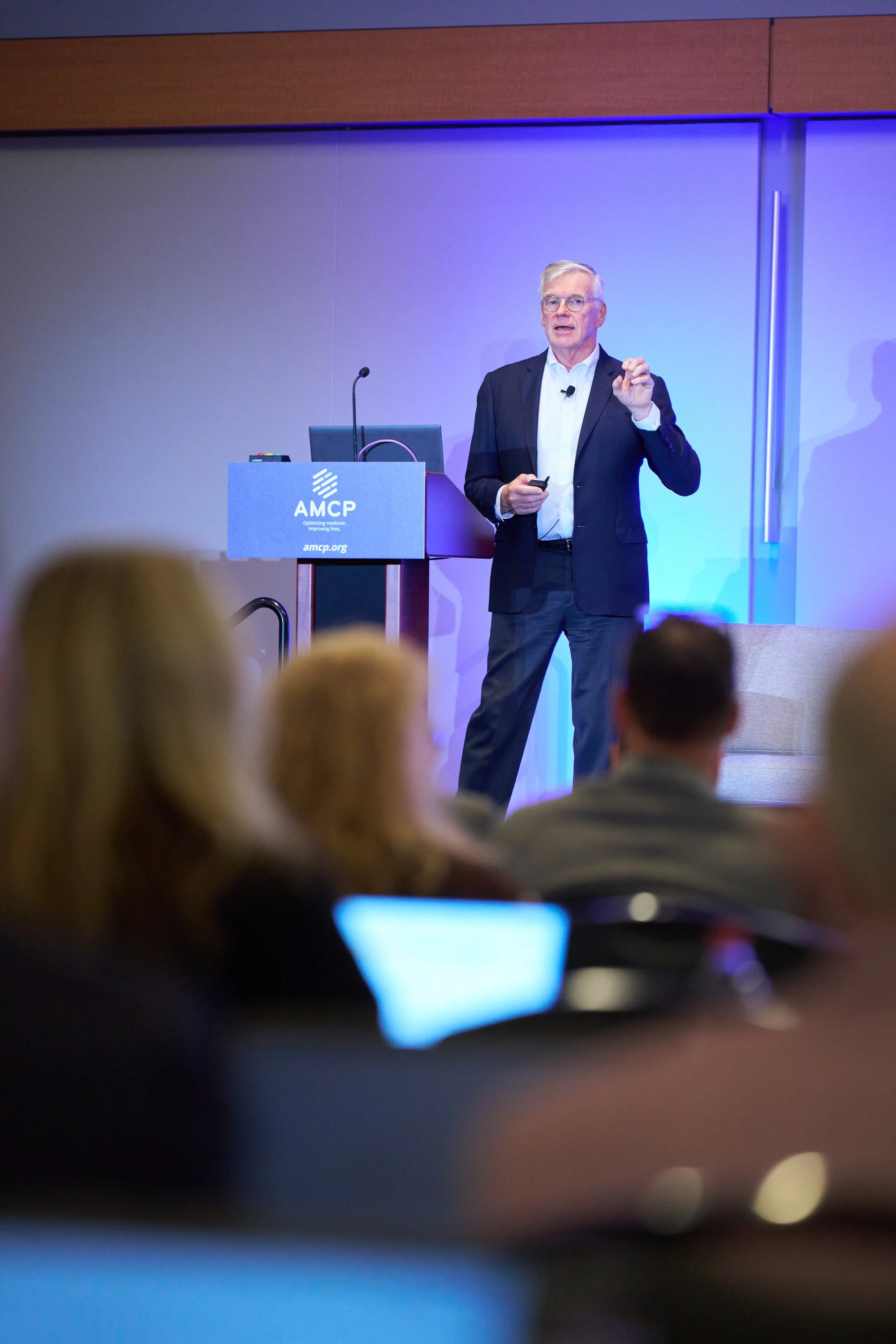
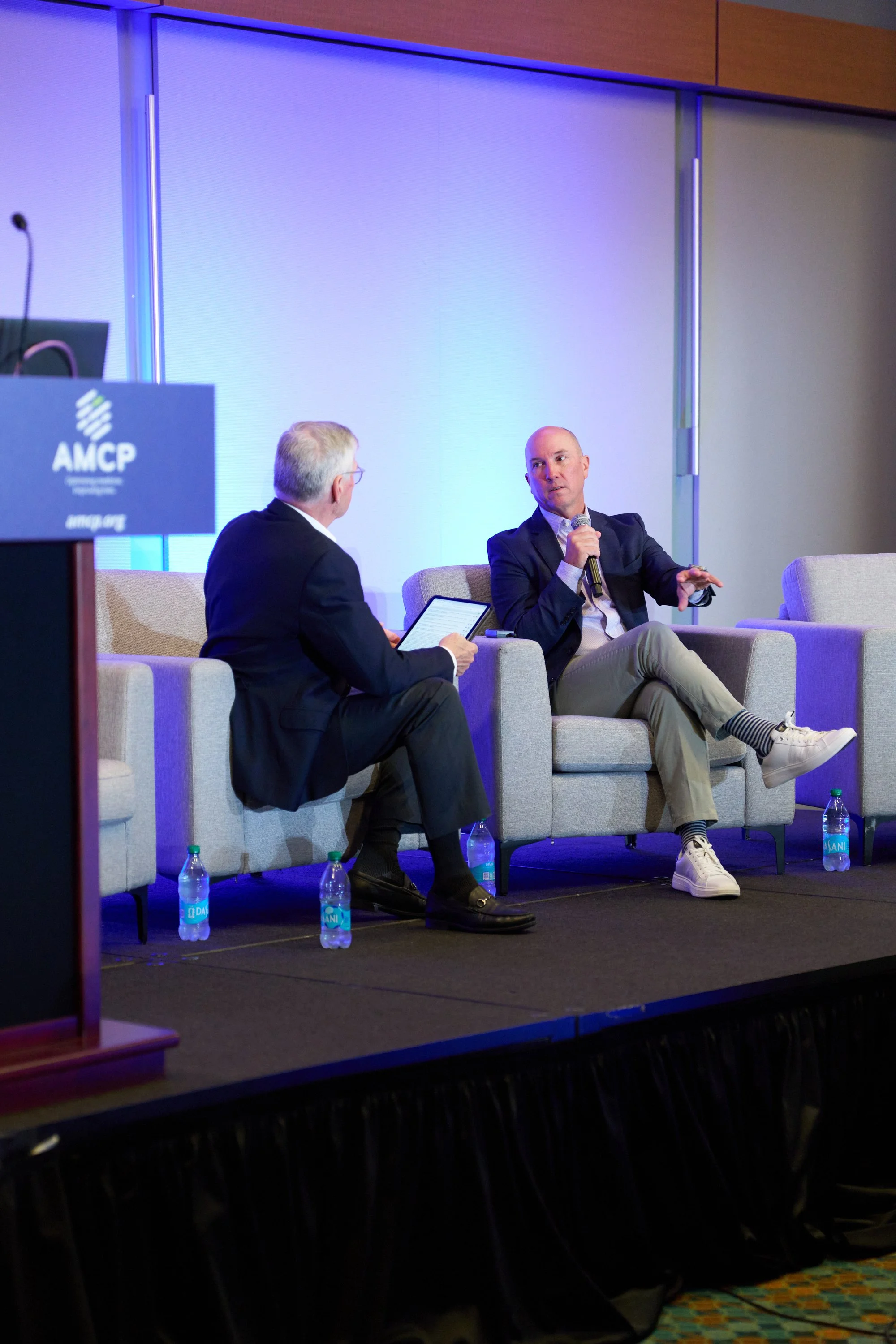
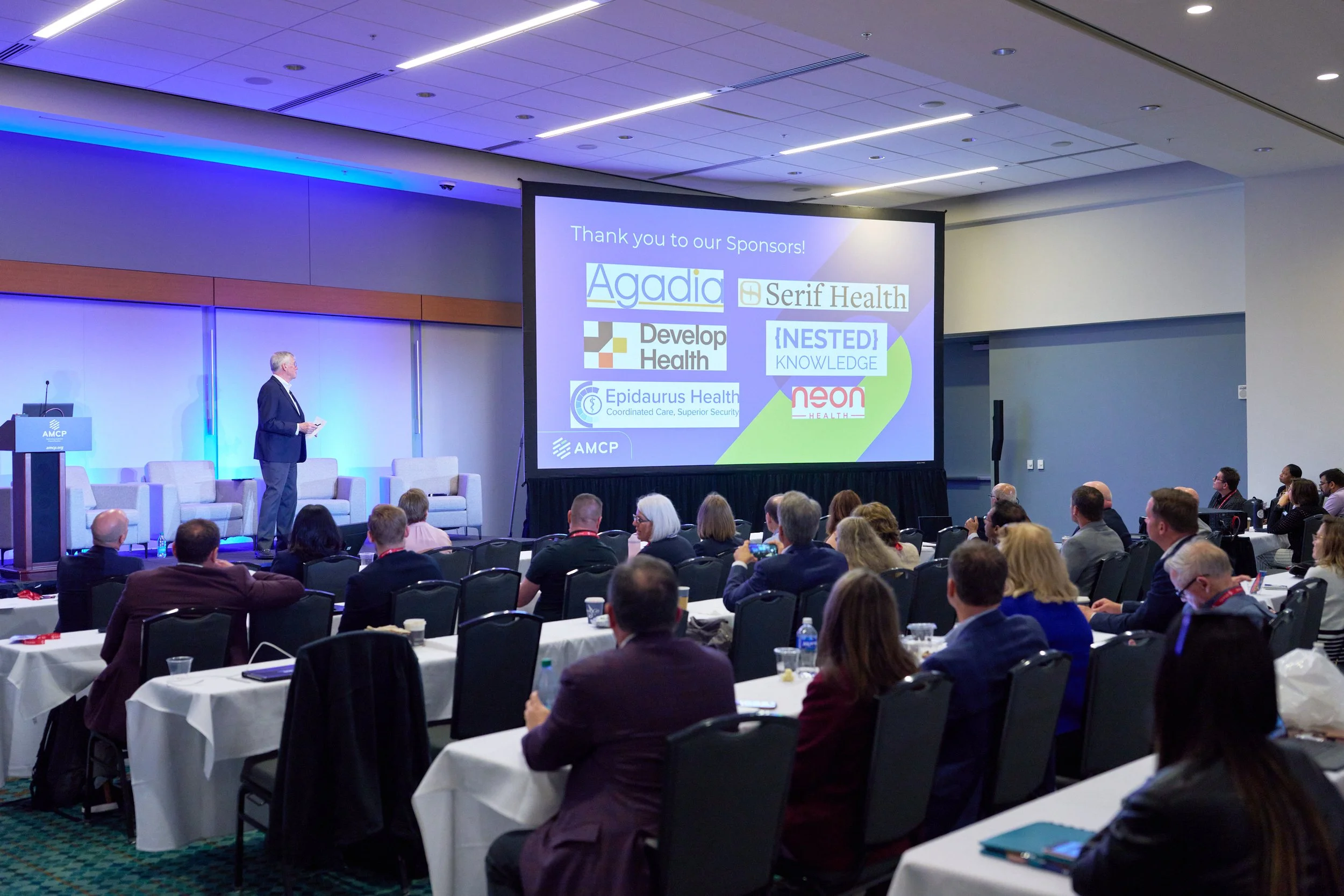
I came back from the AMCP AI pre-conference (photos above capture me in action) with two competing reactions. First: real progress is happening. Second: there is so much happening that it’s easy to feel like you’re already behind.
If you attended last year’s session and compared it to this year, the shift was clear. What was once largely theoretical is now showing up in real environments, with real implications for how we operate. We’re no longer asking if AI will matter. We’re starting to see where and how.
But that clarity creates a different kind of challenge: how do you keep up without feeling overwhelmed?
The human response to too much change
In conversations throughout the conference, I noticed something less technical and more human. People are sorting themselves, consciously or not, into two camps:
There are the ostriches
And there are the excavators
Despite the ostrich syndrome of burying your head in the sand to willfully ignore AI, an ostrich response isn’t about denial. It’s more subtle than that. It’s the quiet assumption that AI will have a modest impact here because pharmacy is too complex, too regulated, too nuanced. It’s choosing not to engage deeply because the signal feels noisy and uncertain.
And to be fair, that instinct is understandable. The pace of change in AI is unlike anything most of us have experienced professionally. It’s amorphous. It doesn’t behave like a traditional discipline where you can read a textbook, master the fundamentals, and build from there.
Which brings me to a quote I shared during the session from Demis Hassabis of Google DeepMind: We have to learn how to learn about AI. That’s the real challenge.
Excavators don’t have all the answers
The excavators aren’t necessarily more technical. They’re not all writing prompts or building models. What they’re doing differently is simple: they’re digging. They’re actively trying to make sense of what’s real, what’s emerging, and what might matter for their organization. They’re asking better questions. They’re paying attention to early signals. They’re building context over time.
And importantly, they’re not trying to do it alone. At the conference, I encouraged people to walk out with six new connections: six people they could learn alongside. Not because networking is a goal in itself, but because one of the most effective ways to keep up with AI is through shared learning. This isn’t a space where any one person has the full picture. But collectively, you can get a lot closer.
What real looks like right now
If you’re looking for signs of progress, they are there. One example that stood out came from Nathan Frank, CTO at Aetna. He shared that AI agents are now outperforming humans in explaining member health benefits. That’s not a hypothetical use case; that’s being tested in an environment serving millions of lives.
It doesn’t mean call centers are disappearing tomorrow. It does mean that AI is already starting to reshape how core functions operate. And that’s the pattern we’re seeing more broadly. Not wholesale transformation overnight—but meaningful movement in specific areas.
At the same time, many organizations are still early. Evaluation phases. Pilot programs. Internal debates about risk, governance, and value. I’ve had plenty of conversations where skepticism shows up, not in a dismissive way, but in a measured, “let’s see where this actually lands” mindset. That tension is healthy. But it also reinforces why staying engaged matters.
Managing the noise without checking out
One of the biggest risks right now isn’t falling behind, it’s burning out trying to keep up. There is no shortage of information. Newsletters, podcasts, LinkedIn posts, research papers, vendor pitches. You could spend all day consuming and still feel like you’re missing something.
I don’t have a perfect system, and I wouldn’t suggest you copy mine. But I’ve found value in having a few consistent “anchors”—trusted sources I check regularly. They don’t cover everything, but they keep me oriented. Think of them as information security blankets. Not comprehensive, but reliable. Because the reality is: you will miss things. Everyone will.
The goal isn’t total coverage. It’s developing a rhythm that keeps you informed enough to engage meaningfully in the conversations that matter.
Beyond tactics: a leadership imperative
For many leaders, the instinct is to focus on tactical capability such as prompting, tools, use cases, etc. Those things matter. But they’re not the whole story. The bigger opportunity and responsibility is developing a clear, informed perspective on how AI could reshape your organization. Where it could create leverage, where it introduces risk, and where it challenges existing assumptions about how work gets done.
That requires more than hands-on experimentation. It requires context. It requires curiosity. And it requires a willingness to sit with uncertainty longer than most of us are comfortable with.
So, which one are you?
This isn’t about labeling people. It’s about awareness. Are you defaulting to distance because the space feels overwhelming? Or are you finding small, sustainable ways to stay engaged?
You don’t need to become an expert overnight. You don’t need to track every development. And you don’t need to have definitive answers. But doing nothing is a decision. The leaders who will navigate this well aren’t the ones who know the most—they’re the ones who keep learning, keep questioning, and keep adjusting as the landscape evolves.
Harry’s stay grounded in AI to-dos
You don’t need a perfect system, but you do need a system. Here are a few ways I’ve found to stay informed without getting buried:
Build your “AI signal sources” (and ignore the rest). Pick 2–3 trusted sources and check them consistently. For me, that includes The Rundown AI and the AI Daily Brief. The goal isn’t completeness—it’s consistency. (Here’s my cheat sheet of AI resources)
Create your own six-person AI brain trust. (I encouraged the attendees to the AMCP Pre-Con to do exactly this!) Identify a small group of peers who are paying attention to AI from different angles such as clinical, operational, technical, strategic. Stay in touch. Share what you’re seeing. You’ll learn faster together than alone. Plus, you’ll have some good laughs along the way.
Ask one better question each week. Instead of trying to master tools, ask: Where could AI meaningfully change how we operate? Start there. Let curiosity drive your exploration.
Track real use cases, not just headlines. Pay attention to where AI is actually being deployed in healthcare and pharmacy. Early signals matter more than broad predictions.
Get comfortable missing things. You will not keep up with everything—and you don’t need to. Staying engaged beats trying to stay exhaustive.
Want to go deeper?
If you’re looking for credible signals (not noise), these are worth bookmarking:
Academy of Managed Care Pharmacy (AMCP) https://www.amcp.org Conference insights, policy, and managed care pharmacy trends—including emerging AI discussions.
Aetna https://www.aetna.com A window into how large payers are thinking about AI in member services and operations.
Google DeepMind https://deepmind.google Perspective on where advanced AI research is heading—and how leaders are thinking about it.
Food and Drug Administration (FDA) https://www.fda.gov/medical-devices/software-medical-device-samd/artificial-intelligence-and-machine-learning-software-medical-device Regulatory guidance shaping how AI is applied in healthcare and life sciences.
Centers for Medicare & Medicaid Services https://www.cms.gov Policy direction that will influence how AI intersects with reimbursement and care delivery.
Stanford Institute for Human-Centered Artificial Intelligence https://hai.stanford.edu Balanced research and insights on AI’s broader impact—including healthcare.